
CAD/CAM Services for Precision Metal Fabrication
Freedom Fabricators uses professional CAD and CAM software to turn customer drawings, models, dimensions, and specifications into accurate production-ready information for CNC fabrication. Our design and programming workflow connects directly to laser cutting, waterjet cutting, CNC machining, and press brake bending so digital geometry can move efficiently from concept into manufacturing.
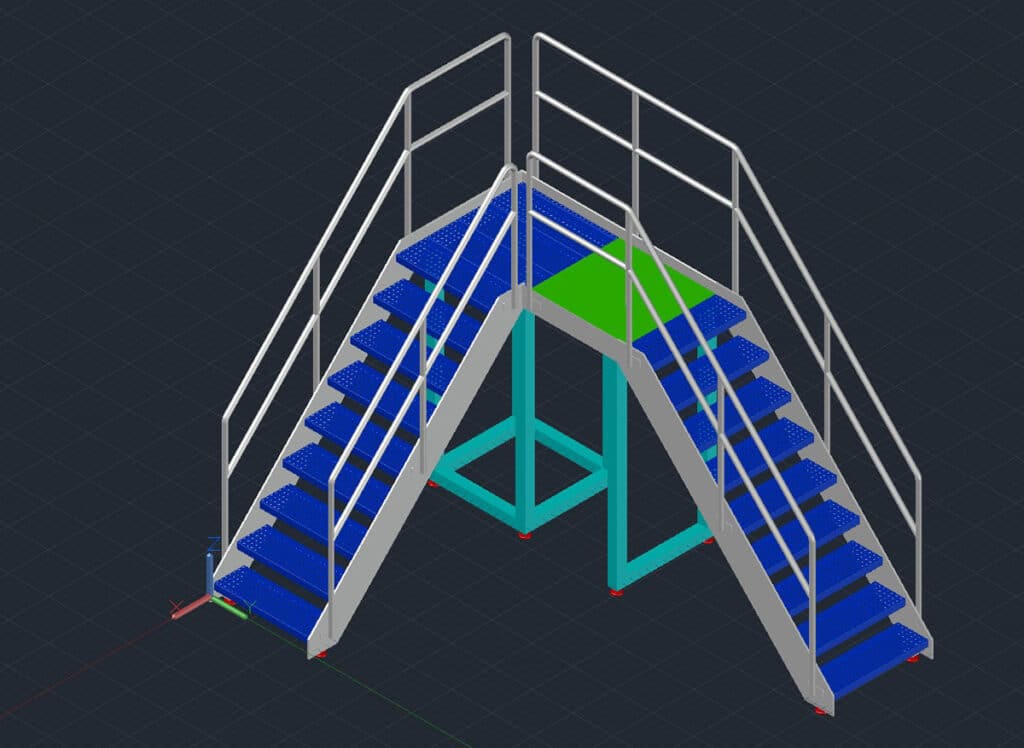
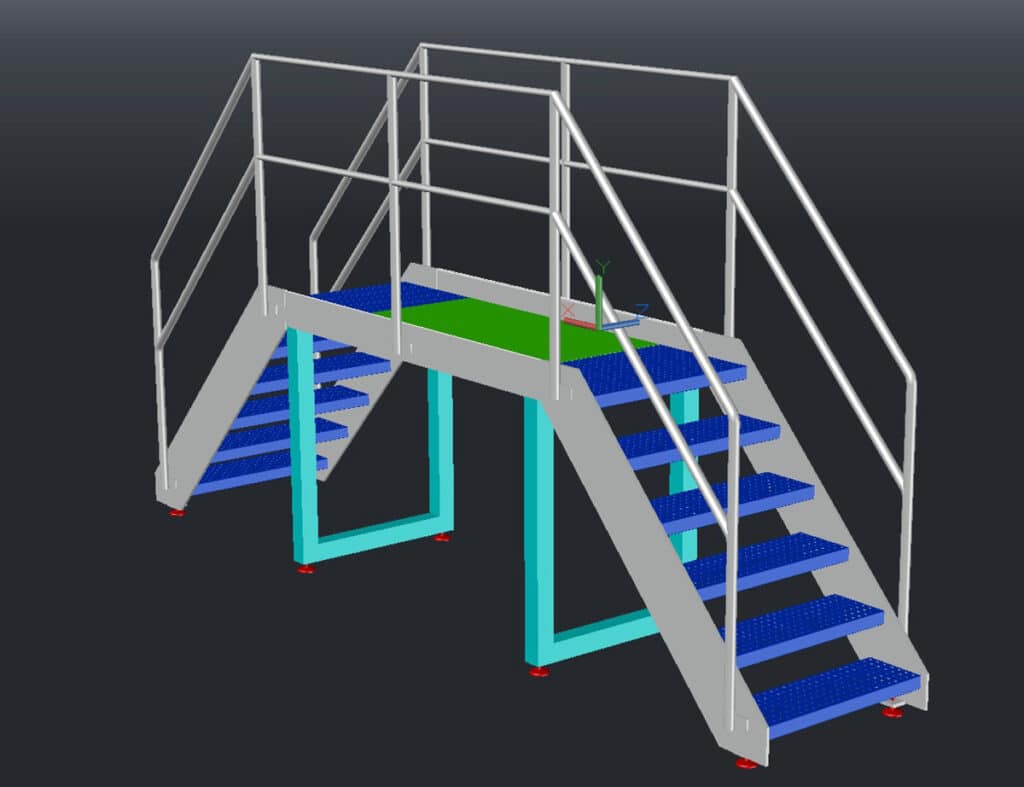
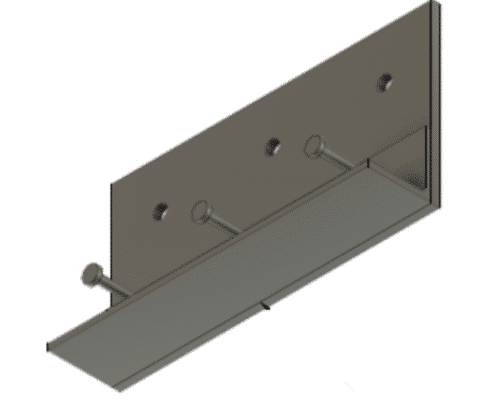
CAD Design & Modeling Capabilities
Computer-aided design allows our team to create, review, and refine the digital geometry required for fabrication before material reaches the machine.
Design capabilities include:
- 2D production drawings
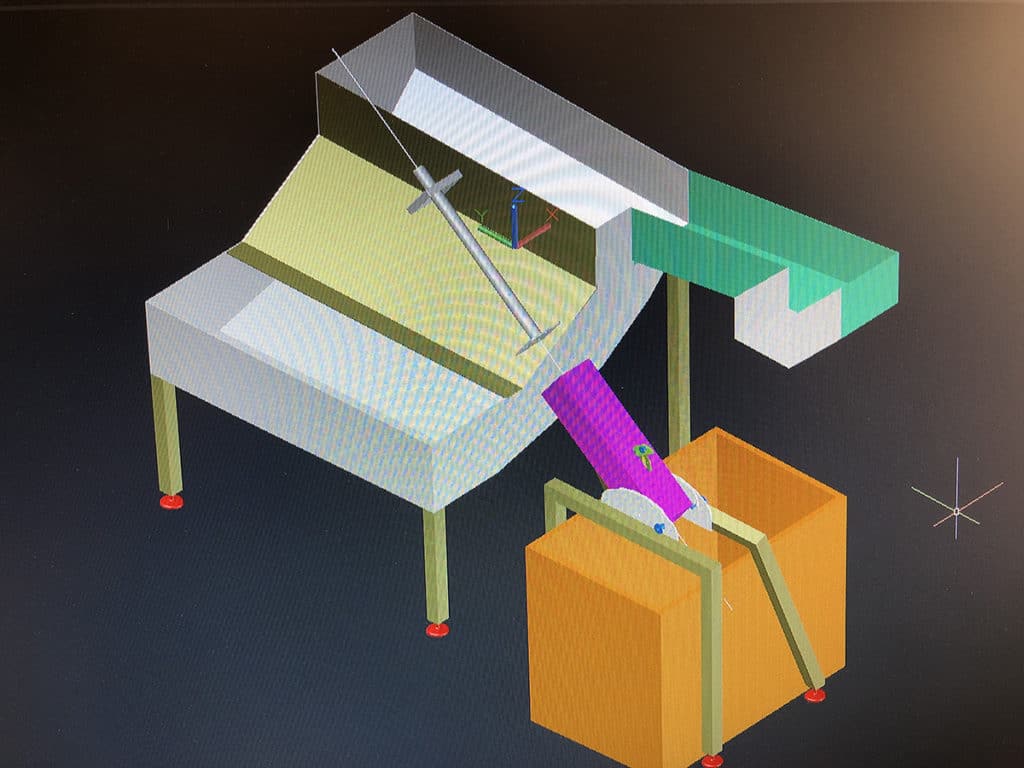
- 3D component models
- Part geometry creation and review
- Dimensional layouts
- Production drawing preparation
- Design revisions based on fabrication requirements
Freedom Fabricators uses AutoCAD 2024 and Fusion 360 for design and modeling work.
CAM Programming & Production Preparation
Computer-aided manufacturing converts approved digital geometry into machine-ready information for CNC production. Programming can include toolpaths, cut geometry, nesting, part orientation, and other process-specific data needed to move the design into fabrication.
CAM preparation supports:
- CNC laser cutting
- CNC waterjet cutting
- CNC machining
- Press brake bending preparation
- Part nesting and sheet utilization
- Repeat production from saved digital geometry
CAD/CAM Software
Design and Modeling:
- AutoCAD 2024
- Fusion 360
Nesting and Manufacturing:
- OMAX Layout
- ProNest LT
- BySoft
Each platform supports a specific part of the design-to-production workflow, from geometry creation through nesting and machine programming.
How Digital Design Connects to Fabrication
Once a part is modeled and production-ready, the digital information can move directly into the appropriate fabrication process.
- CNC laser cutting for precision sheet-metal profiles and production parts
- CNC waterjet cutting for cold-cutting applications and broad material compatibility
- CNC machining for milled features, pockets, slots, and precision components
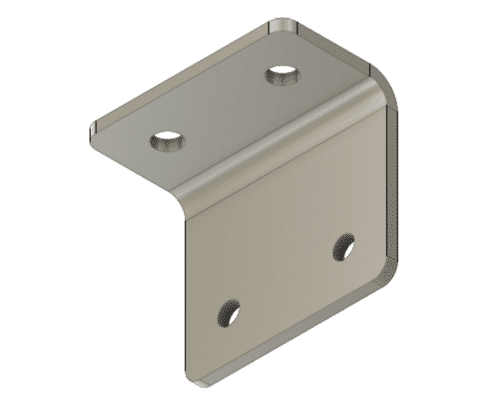
- CNC bending for accurate formed geometry and repeatable bend sequences
This connection between design and the actual production equipment helps reduce transcription errors and keeps the original geometry tied closely to the finished component.
Benefits of an Integrated CAD/CAM Workflow
- Direct connection between design and production
- Improved repeatability
- Reduced manual setup and data-entry errors
- Support for complex geometry
- Optimized nesting and material utilization
- Efficient prototype development
- Saved programming for repeat production
- Better coordination between cutting, machining, and forming operations
From Customer File to Finished Part
A typical workflow may begin with customer drawings, models, dimensions, or specifications. Our team reviews the available information, prepares or refines the digital geometry, creates the required CAM data, nests parts when applicable, and then sends the job into the appropriate CNC process.
After cutting or machining, parts can continue into bending, welding, inspection, finishing, and assembly as required.
Industries We Serve
Our design and programming capabilities support:
- Aerospace and precision manufacturing
- Industrial manufacturing
- OEM production
- Equipment manufacturing
- Commercial fabrication
- Prototype development
- Custom engineered components
Why Choose Freedom Fabricators for CAD/CAM?
The people preparing the digital files work within the same fabrication environment as the machines and operators that produce the parts. That connection helps ensure the design is approached with real manufacturing requirements in mind.
Instead of treating design, programming, cutting, forming, machining, and inspection as unrelated steps, Freedom Fabricators can coordinate them as one production workflow from the original file through the finished component.
Frequently Asked Questions About CAD/CAM Services
What is the difference between CAD and CAM?
CAD is used to create or refine digital drawings and models. CAM takes approved geometry and prepares the programming, toolpaths, nesting, or other machine-ready information needed for CNC production.
What software does Freedom Fabricators use?
Freedom Fabricators lists AutoCAD 2024, Fusion 360, OMAX Layout, ProNest LT, and BySoft as part of its design, nesting, and manufacturing workflow.
Can you work from customer drawings or models?
Yes. Customers can provide available drawings, models, dimensions, material requirements, tolerances, quantities, and other project specifications for review.
Can you support both 2D drawings and 3D models?
Yes. The team can work with both 2D production geometry and 3D component models depending on the process and project requirements.
Which fabrication processes use this digital workflow?
The workflow supports CNC laser cutting, CNC waterjet cutting, CNC machining, and CNC bending, along with downstream fabrication.
How does nesting improve production efficiency?
Nesting arranges multiple parts efficiently on the available sheet or plate to improve material utilization and reduce unnecessary scrap.
What should I send to start a project?
Send your available drawings or models, dimensions, material type, tolerances, quantity, and any fabrication or inspection requirements. Freedom Fabricators can review the information and determine the appropriate design and production workflow.
Ready to Turn Your Drawing Into a Production-Ready Part?
Send Freedom Fabricators your drawings, models, dimensions, material specifications, tolerances, and quantity. Our team can review the design and connect it to the appropriate cutting, machining, bending, and downstream fabrication process.